أسئلة عن الثالوث

الحالة
مغلق و غير مفتوح للمزيد من الردود.

NEW_MAN

وأنا للمسيح
عضو مبارك
إنضم
22 مارس 2006
المشاركات
4,648
مستوى التفاعل
31
النقاط
0
الفاضل نيومان
ممكن تترجم النص أولا ؟
فأسئلتك لا تعنى سوي أن أحدنا ربما أنا و ربما أنت أخطأ فهم النص أو أن أحدنا يغير معنى النص

تتكلم عن ترجمة النص وكأنه كتاب مقدس

يا عزيزي قم بالترجمة التي تريحك ، وقل لي اين اخطأت في ان الموقع لم يقل ان الله بمفرده يتكلم بصيغة الجمع للتفخيم ؟؟؟

خلاصة ما يقوله الموقع :
كلام الملك بالجمع للتعبير عن نفسه والمملكة التي يمثلها ، كلام الله بالجمع لانه يتكلم مع مجموعة من الملائكة .

اذا كان الموقع يقول خلاصة غير هذه تفضل وضعها وقل لي اين اخطأت انا ؟؟؟

اين يقول الموقع ان كلام الشخص بالمفرد فهو يتكلم عن نفسه بالتفخيم والتعظيم ؟؟؟


NEW_MAN

وأنا للمسيح
عضو مبارك
إنضم
22 مارس 2006
المشاركات
4,648
مستوى التفاعل
31
النقاط
0


God is one in unity, but three persons:
"Let US make man in OUR image". (Gen 1:26)

To those who think there is even a single example of the "Royal We" in ******ure we say:
"We are not amused!"


Introduction:

A. What is the issue?


  1. Anti-Trinitarians and Unitarians alike, try to explain away the plural references to God in the Old Testament: "Let
  1. US make man in OUR image". (Gen 1:26)


    [*]
    While Trinitarians expect to find such plural pronouns and verbs used in reference to God at face value, anti-Trinitarians fall all over themselves trying to find a way to avoid the obvious truth that there are three persons in the one God.
    [*]
    As we will see, all of the Anti-Trinitarian arguments are invalid leaving us with no other conclusion then the fact that God is a plurality of persons, just as the Biblical trinity teaches.
    [*]
    It is clear that these plural references to God in the Old Testament we hidden until fully revealed by Christ and his apostles with the proclamation of the deity of Jesus. Jews could look back and see Jesus there in Genesis!


B. Understanding the various terms used in this discussion:


  1. Plural of Majesty comes from the Latin, "pluralis majestaticus" and is also known as "singular of intensity".
  2. "Royal we" "we are not amused" (Queen Victoria)
C. History of the "Plural of Majesty" argument:


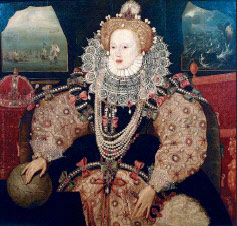
queen-elizabeth-1.jpg


"We are not amused"


Queen Elizabeth 1st would not be amused...
about they way Anti-Trinitarians twist every plural reference to God as a mere "Royal We". After all, Elizabeth was a Trinitarian, and would not be one bit amused that her own words were being used to trash the very trinity she believed in! "Let US make man in OUR image" (Gen 1:26) cannot be "Plural of Majesty" because this poetic device did not even exist in ******ure until after the Old Testament was completed. The apostolic fathers had never heard of "plural of majesty", much less believe it. They unanimously interpreted Gen 1:26 as the Father speaking to the Son.


  1. [*]There are no examples in the either the Old or New Testament of Plural of Majesty. At the end of this ********, we refute 5 texts that anti-Trinitarian say contain Plural of Majesty.
The earliest we find this poetic device being used in about the 4th century during the Byzantine era.

Other cultures that lived during the time of Moses never used the plural "Elohim", the way the Bible does, but instead used the simple singular "el". This nicely silences two different sets of heretics: First, it silences the Bible trashing liberals, who falsely claim the plural "elohim" is a carry over from a previous polytheistic origin of Judaism. Second, it silences the anti-Trinitarians, who falsely claim "plural of majesty" was widespread in all cultures in history.
The "Royal We" was made most famous by Queen Victoria when a vulgar joke was told in her presence. When she replied, "we are not amused", she clearly intended to speak on behalf of the other ladies whom she knew were equally offended.
D. False argument by Robert Morey often used by others:


"An Amazing Hoax: During the nineteenth century debates between Unitarians and Trinitarians, the principle of pluralis majestaticus was revealed to be a hoax popularized by the famous Jewish scholar Gesenius. It became clear that he used it as a ruse de guerre against Christianity." (Robert Morey, The Trinity, p95)


  1. [*]William Gesenius wrote his lexicon but died before he had it published. Others finished the work for him posthumously: The Gesenius’ Hebrew-Chaldee Lexicon (1846 AD) is a translation of the "Lexicon Manuale Hebraicum et Chaldaicum in Veteris Testamenti Libros," of Dr. William Gesenius.


    [*]William Gesenius couldn’t be guilty of such a hoax, motivated by "a strategy of war", when the plural of majesty dates back to the 4th century! Even Calvin discussed the plural of majesty.


    [*]Morey, although a Trinitarian, is correct in his view that Plural of Majesty is never used in the Bible, but this argument is invalid and needs to be withdrawn. He shoots himself in the foot by creating a false argument to teach something that is otherwise true. We need to be careful.
E. What scholars say about "Plural of Majesty":


  1. "Every one who is acquainted with the rudiments of the Hebrew and Chaldee languages, must know that God, in the holy Writings, very often spoke of Himself in the plural. The passages are numerous, in which, instead of a grammatical agreement between the subject and predicate, we meet with a construction, which some modern grammarians, who possess more of the so-called philosophical than of the real knowledge of the Oriental languages, call a pluralis excellentiae. This helps them out of every apparent difficulty.
  1. Such a pluralis excellentiae was, however, a thing unknown to Moses and the prophets. Pharaoh, Nebuchadnezzar, David, and all the other kings, throughout TeNaKh (the Law, the Prophets, and the Hagiographa) speak in the singular, and not as modern kings in the plural. They do not say we, but I, command; as in Gen. xli. 41; Dan. iii. 29; Ezra i. 2, etc." (Rabbi Tzvi Nassi, Oxford University professor, The Great Mystery, 1970, p6, )


    [*]"This first person plural can hardly be a mere editorial or royal plural that refers to the speaker alone, for

    no such usage is demonstrable anywhere else in biblical Hebrew. Therefore, we must face the question of who are included in this "us" and "our." It could hardly include the angels in consultation with God, for nowhere is it ever stated that man was created in the image of angels, only of God. Verse 27 then affirms: "and God [Elohim] created man in His own image, in the image of God he created him; male and female He created them" (NASB). God--the same God who spoke of Himself in the plural--now states that He created man in His image. In other words, the plural equals the singular. This can only be understood in terms of the Trinitarian nature of God. The one true God subsists in three Persons, Persons who are able to confer with one another and carry their plans into action together--without ceasing to be one God." (Encyclopedia of Bible Difficulties, Gleason Archer, p.359, commenting on whether Gen 1:26 is a "plural of majesty")

    [*]"The best answer that they [Old Hebrew lexicographers and grammarians] could give was that the plural form used for the name (or title) of God was the ‘pluralis majestatis,’ that is the plural of majesty…to say nothing of the fact that it is not at all certain that the ‘pluralis majestatis’ is ever found in the Old Testament, there is an explanation much nearer at hand and much simpler, and that is, that a plural name was used for the one God, in spite of the intense monotheism of the Jews, because there is a plurality of person in the one Godhead." (The God of the Bible, R. A.Torrey, 1923, p 64)
    [*]
    "Another very popular view in modem times is that God uses the plural, just as kings do, as a mark of dignity (the so-called "plural of majesty"), but it is only late in Jewish history that such a form of speech occurs, and then it is used by Persian and Greek rulers (Esdr. iv. 18; 1 Mace. x. 19). Nor can the plural be regarded as merely indicating the way in which God summons Himself to energy, for the use of the language is against this (Gen. ii. 18; Is. xxxiii. 10)." (Trinity, A Catholic Dictionary, William E. Addis & Thomas Arnold, 1960, p 822-830)


E. What the apostolic Fathers say about Gen 1:26:


  1. "The plural "We" was regarded by the fathers and earlier theologians almost unanimously as indicative of the Trinity" (Keil & Delitzsch, Genesis 1:26, Vol. 1, Page 38) Note: after observing that that the unanimous view of the apostolic Fathers was that "we" referred to the three persons of the trinity, he then rejects this and adopts the plural of majesty view. This is most unfortunate. If only he had known plural of majesty did not exist historically among the Jews until after the Old Testament was written in about 200 AD.)
180 AD Irenaeus

"It was not angels, therefore, who made us, nor who formed us, neither had angels power to make an image of God, nor any one else, except the Word of the Lord, nor any Power remotely distant from the Father of all things. For God did not stand in need of these [beings], in order to the accomplishing of what He had Himself determined with Himself beforehand should be done, as if He did not possess His own hands. For with Him were always present the Word and Wisdom, the Son and the Spirit, by whom and in whom, freely and spontaneously, He made all things, to whom also He speaks, saying, "Let Us make man after Our image and likeness; " [Gen. 1:26]" (Against Heresies 4: 20 : 1)


I. Plural nouns and pronouns with singular verbs:


  1. [*]The easiest way to dismiss the argument that the plural pronouns applied to God can be explained as "Plural of Majesty" is to observe that the Hebrew has many examples of plural pronouns also being applied to single human individuals.
Plural of Majesty fails because we find plural references to both God and individual men.
If the Holy Spirit intended to use these plural references of God as "singular of intensity", then why does He intensify both creator and creation alike?
Obviously the, "Plural of Majesty" does not explain these plural references.
text


Plural noun

Singular verbs
Gen 1:1
Elohim (God)
created
Genesis 46:7
Sons, grandsons, daughters, granddaughters, descendants
brought
Judges 12:7
cities
Buried
Nehemiah 3:8
goldsmiths
Repaired


II. Plural nouns for "lord/master" (adonai) that refer to single individuals:


Plural noun

who
Genesis 24:9,10,51
Adonai
Abraham master of servant
Genesis 39:2,3,7, 8,16,19,20
Adonai
Potiphar is Joseph's master
Genesis 40:7
Adonai
captain of a guard is master
Genesis 42:30,33; 44:8
Adonai
Joseph, the master of Egypt
Mal 1:6 and throughout the Old Testament
Adonai
Yahweh, God. The second most common term applied to God is "Lord" and it is almost always plural.


"And if I am a master [plural adonai], where is My respect? says the Lord of hosts" Mal 1:6

III. Five "Royal We" Biblical Proof Texts refuted:
The "plural of Majesty" (royal we) is never used in the Bible. Arians (Jehovah’s Witnesses, Anti-Trinitarians (Christadelphians), Unitarians and Modalists (UPCI United Pentecostal church international), will appeal to the following Bible texts as proof of "plural of Majesty". These texts clearly are not examples of "the royal we" being used in the Bible.
A. "the ******** which you sent to us has been translated and read before me." (Ezra 4:18)


  1. The letter was addressed, not to the king alone, but many others as well, so this certainly is not an example of the "Royal We": "To King Artaxerxes: Your servants, the men in the region beyond the River, and now " Ezra 4:11

B. "Truly, truly, I say to you,


we speak of what we know and testify of what we have seen, and you do not accept our testimony." (John 3:11)


  1. The "we" refers to Jesus and the Father, as seen in many other passages: "I speak the things which I have
  1. seen with My Father; therefore you also do the things which you heard from your father." (John 8:38); "I know that His commandment is eternal life; therefore the things I speak, I speak just as the Father has told Me." (John 12:50); "If I alone testify about Myself, My testimony is not true." (John 5:31)


    [*]Jesus' use of the plural WE (Jesus and Father) is also in response to Nicodemus' use of WE (John 3:2: Nicodemus and the other leaders). Jesus emphasizes the "us vs. them" challenge of authority between human and divine.


C. "just as he is Christ’s, so also are

we. For even if I boast somewhat further about our authority, which the Lord gave for building you up and not for destroying you, I will not be put to shame" 2 Corinthians 10:7-8


  1. The use of WE and OUR refer to Paul and Timothy, who sent the letter (2 Cor 1:1).
  2. It may also refer to Paul and the other apostles, since the whole context is Paul defending his apostleship.
  3. To suggest that Paul uses the "Royal We" here, is as wrong as it is unwarranted.
D. "But even if


we, or an angel from heaven, should preach to you a gospel contrary to what we have preached to you, he is to be accursed!" Galatians 1:8


  1. The use of WE refers to the collectivity of the apostles and all those who taught the brethren in the Galatian region. This would include, Timothy, Titus, Barnabas and Silas.
No "Royal We" here.

E. "But he forsook the counsel of the elders which they had given him, and


consulted with the young men who grew up with him and served him. So he said to them, "What counsel do you give that we may answer this people, who have spoken to me, saying, ‘Lighten the yoke which your father put on us’?" (2 Chronicles 10:8-9 and 1 Kings 12:9)


  1. The obvious and natural meaning of "we may answer this people" is the King and his buddies, who collectively would formulate an answer together.
No reason this is the "Royal We" here.
Conclusion:


A. Jehovah’s Witnesses and other Unitarians argue that Elohim (Gods) and Adonai (Lords) are and example of "plural of unity" or "plural of majesty/intensity".


  1. "plural of majesty" did not begin to be used until after the Old Testament was written, at about 200 AD and is never used in ******ure.
It is wrong to take modern day poetic devices and read them back into a period of history when they did not exist.

It is wrong for Jehovah’s witnesses to read, "blood transfusions" back into the Bible’s prohibition against eating blood, when such a medical practice did not exist. (Of course just as drunkenness is condemned, except when you are getting your leg amputated for medical reasons, so too are blood transfusions exempt from all prohibitions on blood, on the basis of medical necessity.)
B. The evidence that "Let


US make man in OUR image". (Gen 1: 26) refers to the Trinity is irrefutable.


  1. The Unitarians and Christadelphians are wrong because they say Us refers to God and the Angels. But man is not created in the image of angels, but of God. Jesus is not included in their view of US.
The Jehovah’s Witnesses are right to include Jesus and the Father in the US of Gen 1:26, but make Jesus the created arch-angel Michael. But Heb 1:5 proves Jesus cannot be, nor ever has been an angel. Further, in their self contradictory doctrine, they have Jesus the creature, as our co-creator (Jn 1:3; Col 1:16). But this violates Rom 1:25:
  1. "worshiped and served the creature rather than the Creator". This passage teaches that if Jesus is the creator, as the Bible says he is, then he cannot be a creature. Jesus cannot be creator and creature at the same time!
C. Plural of Majesty is not the correct explanation as to why plural, nouns, verbs and adjectives are applied to God, because we find similar examples in the Hebrew language of the Old Testament that apply plurality to common creatures and things.


D. Such occasional usage's of plural, nouns, verbs and adjectives of God, man and material objects, are best explained as typical and normal for the Hebrew language. Its just they way they expressed things at times.

E. The plural nouns and pro-nouns applied to God, like WE, US, OUR, Elohim, Adonai are powerful evidence of the Trinity hidden in the Old Testament, to be discovered after the coming of Christ. The almost exclusive use of the plural elohim for God and adonai for Lord, make a strong case that any honest seeker could see. This extensive pattern is hard to argue away as plural of majesty.
F. To those who think there is even a single example of the "Royal We" in ******ure we say: "We are not amused!"
By Steve Rudd



محب للمسيح7

New member
عضو
إنضم
10 نوفمبر 2009
المشاركات
290
مستوى التفاعل
0
النقاط
0
أموووووت واعرف فين كلمة التفخيم دى ؟؟؟

انت عارف الكلمة دى انت قولتها على لسنا الراجل كام مرة ؟؟؟
عارف دة اسمه اية ؟؟؟


ثوانى أخى نيو مان حتى ارى ما يراه عزيزنا محب المسيح

محب المسيح : انت الآن مطالب من التفسيرين بإخراج كلمة التفخييييييييييم

تفضل لو سمحت

الفاضل نيومان
سأتفضل بإخراج كلمة التفخيم


I . . . us--The change of number indicates the Trinity (compare Genesis 1:26, 11:7). Though not a sure argument for the doctrine, for the plural may indicate merely majesty,
it accords with that truth proved elsewhere
الكلمة الملونة بالأحمر هنا تعنى التفخيم

نأتى للنص الثانى
these christian scholars recognize that there is something called the

"majestic plural,"

الترجمة
هؤلاء المفسرون أو الدارسون المسيحيون يعلمون أن هناك ما يعرف باسم جمع التفخيم

و للمصداقية ننقل لكم تعريف majestic plural من الرابط
http://en.wikipedia.org/wiki/Majestic_plural

من ويكبيديا
The majestic plural (pluralis maiestatis in Latin) is the use of a plural pronoun to refer to a single person holding a high office, such as a monarch, bishop, pope, or university rector. It is also called the Royal pronoun, the Royal 'we' or the Victorian 'we'. The more general word for the use of "we" to refer to oneself is nosism, from the Latin nos.[1] Its most common use denotes excellence, power and dignity of the

person that speaks or writes

ترجمة المظلل بالأحمر
The majestic plural هو استخدام ضمير الجمع للإشارة لشخص واحد له منصب رفيع
الاستخدام الأكثر شيوعا لها يدل على عظمة و قوة و شرف الإنسان المتكلم أو الكاتب

و جاء فى نفس الرابط تحت عنوان
Non-Western usage

The tradition of the Royal We may also be traced to the Mughals of India and Sultans of Banu Abbas and Banu Umayyah. The "Royal We" is used to express the dignity or highest position either understood as strictly hierarchical or as referential to an alternate "higher" than ego identity.
There are many verses in the Qur'an where Allah speaks using the Arabic pronoun “nahnu” (meaning we) or its associated suffix….”we” created, “we” sent down,


الترجمة للعنوان و المظلل بالأحمر
الا.ستخدام غير الغربي(لجمع التفخيم بالطبع )
هناك آيات كثيرة فى القرآن يتكلم فيها الله بضمير الجمع العربي نحن
 

NEW_MAN

وأنا للمسيح
عضو مبارك
إنضم
22 مارس 2006
المشاركات
4,648
مستوى التفاعل
31
النقاط
0
الاخ الفاضل محب للمسيح


الترجمة للعنوان و المظلل بالأحمر
الا.ستخدام غير الغربي(لجمع التفخيم بالطبع )
هناك آيات كثيرة فى القرآن يتكلم فيها الله بضمير الجمع العربي نحن


ولكنك لم تقدم لنا حالة واحدة فقط تثبت ان الكلام بالجمع للملك او الفرعون هو للتفخيم له ، لان الملك والفرعون وكل من في سلطة جاء في القرآن متكلما بالمفرد ، ولم يتكلم اي منهم بالجمع للتفخيم .

لم يكن هذا سؤالي انا ...
سؤالي كان :


الان انت تتهمني انني اكذب عامدا متعمدا فقط لابرر ايماني المسيحي ، لن اعلق على هذه الاهانة ، واسألك سؤالا مباشرا لنوضح للجميع من فهم كلام المفسر صحيحا ومن يريد ان يجعله يقول شيئا لم يقله .


هل يقول المفسر هذا التقرير على الكتاب المقدس كله ، او على الآية الواحدة التي يتكلم عنها في سفر اشعياء 6: 8

فهمك لهذه الجزئية سيحل كل الاشكال في تحديد ما يقوله الكاتب .

مرة اخرى ، اذا كنت تعرف الانجليزية ، هل هذه الجملة جائت في سياق الجملة كلها ام وضعها كجملة اعتراضية ؟؟؟

********

سؤالي الآخر عن الموقع اليهودي وتعقيبي تجده هنا :

http://www.arabchurch.com/forums/showpost.php?p=1725895&postcount=260


واتمنى ان تمضي بعض الوقت لقراءة هذه المداخلة


http://www.arabchurch.com/forums/showpost.php?p=1725926&postcount=261


منقولة عن الرابط الاصلي :

http://www.bible.ca/trinity/trinity...of-majesty-pluralis-majestaticus-royal-we.htm


شكرا لك .
 
التعديل الأخير:

Molka Molkan

لستم المتكلمين
مشرف سابق
إنضم
31 أغسطس 2009
المشاركات
25,036
مستوى التفاعل
846
النقاط
113
الإقامة
ويل لي إن كنتُ لا اُبشر
i . . . Us--the change of number indicates the trinity (compare genesis 1:26, 11:7). Though not a sure argument for the doctrine, for the plural may indicate merely majesty,
it accords with that truth proved elsewhere


رجعنا تانى لعملية إعادة الكلام ولا اية ؟؟؟

هو انا مش رديت على الكلام دة ولا لازم ارد وانت تجيبه تانى ؟؟؟؟

لو سمحت ارجع لردى عليه ولو عندك رد قوله لى

لو سمحت


يا حبيبى انت عارف احنا بنتكلم فى اية ولا لسة مش عارف ؟؟؟

فين الدليل ان فى فى العبرى كلام بالجمع للتفخيم ؟؟؟

ارجو تركز شوية معايا ربنا يخليك


محب للمسيح7

New member
عضو
إنضم
10 نوفمبر 2009
المشاركات
290
مستوى التفاعل
0
النقاط
0
الاخ الفاضل محب للمسيح

الان انت تتهمني انني اكذب عامدا متعمدا فقط لابرر ايماني المسيحي ، لن اعلق على هذه الاهانة ، واسألك سؤالا مباشرا لنوضح للجميع من فهم كلام المفسر صحيحا ومن يريد ان يجعله يقول شيئا لم يقله .


quot-top-left.gif
اقتباس
quot-top-right.gif
quot-by-left.gif
المشاركة الأصلية كتبت بواسطة محب للمسيح7
quot-by-right.gif
quot-top-right-10.gif
فمرة أخرى أكرر
المفسر يقول أن التكلم بالجمع ليس حجة أكيدة للثالوث لأن الجمع قد يكون للتفخيم
quot-bot-left.gif


هل يقول المفسر هذا التقرير على الكتاب المقدس كله ، او على الآية الواحدة التي يتكلم عنها في سفر اشعياء 6: 8

فهمك لهذه الجزئية سيحل كل الاشكال في تحديد ما يقوله الكاتب .

مرة اخرى ، اذا كنت تعرف الانجليزية ، هل هذه الجملة جائت في سياق الجملة كلها ام وضعها كجملة اعتراضية ؟؟؟


.
الفاضل نيومان
أنا لا أقصد إهانتك أبدا
بدليل أنى أثنيت عليك فى كلامى
و أى كلمة تجد فيها إهانة فأنا أسحبها

المفسر لا يقصد أشعياء 6:8 فحسب
بل يقصد كل الأماكن التى يتكلم فيها الله تعالى عن نفسه بالجمع و التى أشار إلى مواضعها
فهو يتحدث عن
أشعياء 6:8
تكوين 1:26
تكوين 11:8

و بالطبع لا يعقل أن يقصد المفسر أن تكلم الله عز و جل بالجمع فى أشعياء ليس حجة أكيدة لعقيدة التثليث و لكن لو أضفنا إليه التكوين 1 و 11 يصبح دليلا أكيدا
فمجرد تكرار التكلم بالجمع لن يغير من الأمر شئ

و لا أعلم ما الهدف من السؤال عن الجملة الاعتراضية ؟
و لكن أيا كان الهدف فليس فى كلام المفسر جمل اعتراضية
 

NEW_MAN

وأنا للمسيح
عضو مبارك
إنضم
22 مارس 2006
المشاركات
4,648
مستوى التفاعل
31
النقاط
0
المفسر لا يقصد أشعياء 6:8 فحسب
بل يقصد كل الأماكن التى يتكلم فيها الله تعالى عن نفسه بالجمع و التى أشار إلى مواضعها
فهو يتحدث عن
أشعياء 6:8
تكوين 1:26
تكوين 11:8


ولكن واضح من النص ان الكاتب وضع هذه الجملة كجملة اعتراضية في تفسيره عن اشعياء 6: 8
اما اسفار التكوين فقد وضعها للاستشهاد بها على صحة العقيدة .

اذا فالجملة فقط تعود على اشعياء 6: 8 فقط

وهذا هو سبب اختلافنا في فهم المعنى ، ولذلك ، فلكي نقول من فينا الذي فهم ما يقوله الكاتب ، انا سألتك اكثر من مرة

هات لي اقتباس واحد من الكتاب المقدس وضعه الكاتب ليقول ان الكلام هنا جاء بالجمع للتفخيم .

هل تستطيع ان تثبت ان فهمك انت هو الصحيح ، هات الدليل (اقتباس الكاتب من الكتاب المقدس ليقول ان الجمع للتفخيم ) .

و لا أعلم ما الهدف من السؤال عن الجملة الاعتراضية ؟
و لكن أيا كان الهدف فليس فى كلام المفسر جمل اعتراضية

اليك النص مرة اخرى ، الا ترى ان الجملة بالاحمر هي اعتراضية

I . . . us--The change of number indicates the Trinity (compare Genesis 1:26, 11:7). Though not a sure argument for the doctrine, for the plural may indicate merely majesty, it accords with that truth proved elsewhere.

اذا لم تعرف ان هذه في الانجليزية جملة اعتراضية ، فكيف تريد ان تترجم لنا النص ؟؟؟


التعديل الأخير:

Molka Molkan

لستم المتكلمين
مشرف سابق
إنضم
31 أغسطس 2009
المشاركات
25,036
مستوى التفاعل
846
النقاط
113
الإقامة
ويل لي إن كنتُ لا اُبشر
و لكن أيا كان الهدف فليس فى كلام المفسر جمل اعتراضية


صديقى أكاد لا اصدق ما قلته هنا ؟؟؟

اتمنى منك ان تراجع الكلام جيدا جدا جدا جدا

ارجووك ركز
 

محب للمسيح7

New member
عضو
إنضم
10 نوفمبر 2009
المشاركات
290
مستوى التفاعل
0
النقاط
0


God is one in unity, but three persons:
"Let US make man in OUR image". (Gen 1:26)

To those who think there is even a single example of the "Royal We" in ******ure we say:
"We are not amused!"


Introduction:

A. What is the issue?


  1. Anti-Trinitarians and Unitarians alike, try to explain away the plural references to God in the Old Testament: "Let
  1. US make man in OUR image". (Gen 1:26)


    [*]While Trinitarians expect to find such plural pronouns and verbs used in reference to God at face value, anti-Trinitarians fall all over themselves trying to find a way to avoid the obvious truth that there are three persons in the one God.
    [*]
    As we will see, all of the Anti-Trinitarian arguments are invalid leaving us with no other conclusion then the fact that God is a plurality of persons, just as the Biblical trinity teaches.
    [*]
    It is clear that these plural references to God in the Old Testament we hidden until fully revealed by Christ and his apostles with the proclamation of the deity of Jesus. Jews could look back and see Jesus there in Genesis!


B. Understanding the various terms used in this discussion:


  1. Plural of Majesty comes from the Latin, "pluralis majestaticus" and is also known as "singular of intensity".
  2. "Royal we" "we are not amused" (Queen Victoria)
C. History of the "Plural of Majesty" argument:


queen-elizabeth-1.jpg


"We are not amused"


Queen Elizabeth 1st would not be amused...

about they way Anti-Trinitarians twist every plural reference to God as a mere "Royal We". After all, Elizabeth was a Trinitarian, and would not be one bit amused that her own words were being used to trash the very trinity she believed in! "Let US make man in OUR image" (Gen 1:26) cannot be "Plural of Majesty" because this poetic device did not even exist in ******ure until after the Old Testament was completed. The apostolic fathers had never heard of "plural of majesty", much less believe it. They unanimously interpreted Gen 1:26 as the Father speaking to the Son.


  1. [*]There are no examples in the either the Old or New Testament of Plural of Majesty. At the end of this ********, we refute 5 texts that anti-Trinitarian say contain Plural of Majesty.
The earliest we find this poetic device being used in about the 4th century during the Byzantine era.

Other cultures that lived during the time of Moses never used the plural "Elohim", the way the Bible does, but instead used the simple singular "el". This nicely silences two different sets of heretics: First, it silences the Bible trashing liberals, who falsely claim the plural "elohim" is a carry over from a previous polytheistic origin of Judaism. Second, it silences the anti-Trinitarians, who falsely claim "plural of majesty" was widespread in all cultures in history.

The "Royal We" was made most famous by Queen Victoria when a vulgar joke was told in her presence. When she replied, "we are not amused", she clearly intended to speak on behalf of the other ladies whom she knew were equally offended.
D. False argument by Robert Morey often used by others:


"An Amazing Hoax: During the nineteenth century debates between Unitarians and Trinitarians, the principle of pluralis majestaticus was revealed to be a hoax popularized by the famous Jewish scholar Gesenius. It became clear that he used it as a ruse de guerre against Christianity." (Robert Morey, The Trinity, p95)


  1. [*]William Gesenius wrote his lexicon but died before he had it published. Others finished the work for him posthumously: The Gesenius’ Hebrew-Chaldee Lexicon (1846 AD) is a translation of the "Lexicon Manuale Hebraicum et Chaldaicum in Veteris Testamenti Libros," of Dr. William Gesenius.


    [*]William Gesenius couldn’t be guilty of such a hoax, motivated by "a strategy of war", when the plural of majesty dates back to the 4th century! Even Calvin discussed the plural of majesty.


    [*]Morey, although a Trinitarian, is correct in his view that Plural of Majesty is never used in the Bible, but this argument is invalid and needs to be withdrawn. He shoots himself in the foot by creating a false argument to teach something that is otherwise true. We need to be careful.
E. What scholars say about "Plural of Majesty":


  1. "Every one who is acquainted with the rudiments of the Hebrew and Chaldee languages, must know that God, in the holy Writings, very often spoke of Himself in the plural. The passages are numerous, in which, instead of a grammatical agreement between the subject and predicate, we meet with a construction, which some modern grammarians, who possess more of the so-called philosophical than of the real knowledge of the Oriental languages, call a pluralis excellentiae. This helps them out of every apparent difficulty.
  1. Such a pluralis excellentiae was, however, a thing unknown to Moses and the prophets. Pharaoh, Nebuchadnezzar, David, and all the other kings, throughout TeNaKh (the Law, the Prophets, and the Hagiographa) speak in the singular, and not as modern kings in the plural. They do not say we, but I, command; as in Gen. xli. 41; Dan. iii. 29; Ezra i. 2, etc." (Rabbi Tzvi Nassi, Oxford University professor, The Great Mystery, 1970, p6, )


    [*]"This first person plural can hardly be a mere editorial or royal plural that refers to the speaker alone, for

    no such usage is demonstrable anywhere else in biblical Hebrew. Therefore, we must face the question of who are included in this "us" and "our." It could hardly include the angels in consultation with God, for nowhere is it ever stated that man was created in the image of angels, only of God. Verse 27 then affirms: "and God [Elohim] created man in His own image, in the image of God he created him; male and female He created them" (NASB). God--the same God who spoke of Himself in the plural--now states that He created man in His image. In other words, the plural equals the singular. This can only be understood in terms of the Trinitarian nature of God. The one true God subsists in three Persons, Persons who are able to confer with one another and carry their plans into action together--without ceasing to be one God." (Encyclopedia of Bible Difficulties, Gleason Archer, p.359, commenting on whether Gen 1:26 is a "plural of majesty")

    [*]"The best answer that they [Old Hebrew lexicographers and grammarians] could give was that the plural form used for the name (or title) of God was the ‘pluralis majestatis,’ that is the plural of majesty…to say nothing of the fact that it is not at all certain that the ‘pluralis majestatis’ is ever found in the Old Testament, there is an explanation much nearer at hand and much simpler, and that is, that a plural name was used for the one God, in spite of the intense monotheism of the Jews, because there is a plurality of person in the one Godhead." (The God of the Bible, R. A.Torrey, 1923, p 64)
    [*]
    "Another very popular view in modem times is that God uses the plural, just as kings do, as a mark of dignity (the so-called "plural of majesty"), but it is only late in Jewish history that such a form of speech occurs, and then it is used by Persian and Greek rulers (Esdr. iv. 18; 1 Mace. x. 19). Nor can the plural be regarded as merely indicating the way in which God summons Himself to energy, for the use of the language is against this (Gen. ii. 18; Is. xxxiii. 10)." (Trinity, A Catholic Dictionary, William E. Addis & Thomas Arnold, 1960, p 822-830)


E. What the apostolic Fathers say about Gen 1:26:


  1. "The plural "We" was regarded by the fathers and earlier theologians almost unanimously as indicative of the Trinity" (Keil & Delitzsch, Genesis 1:26, Vol. 1, Page 38) Note: after observing that that the unanimous view of the apostolic Fathers was that "we" referred to the three persons of the trinity, he then rejects this and adopts the plural of majesty view. This is most unfortunate. If only he had known plural of majesty did not exist historically among the Jews until after the Old Testament was written in about 200 AD.)
180 AD Irenaeus


"It was not angels, therefore, who made us, nor who formed us, neither had angels power to make an image of God, nor any one else, except the Word of the Lord, nor any Power remotely distant from the Father of all things. For God did not stand in need of these [beings], in order to the accomplishing of what He had Himself determined with Himself beforehand should be done, as if He did not possess His own hands. For with Him were always present the Word and Wisdom, the Son and the Spirit, by whom and in whom, freely and spontaneously, He made all things, to whom also He speaks, saying, "Let Us make man after Our image and likeness; " [Gen. 1:26]" (Against Heresies 4: 20 : 1)


I. Plural nouns and pronouns with singular verbs:


  1. [*]The easiest way to dismiss the argument that the plural pronouns applied to God can be explained as "Plural of Majesty" is to observe that the Hebrew has many examples of plural pronouns also being applied to single human individuals.
Plural of Majesty fails because we find plural references to both God and individual men.
If the Holy Spirit intended to use these plural references of God as "singular of intensity", then why does He intensify both creator and creation alike?
Obviously the, "Plural of Majesty" does not explain these plural references.
text


Plural noun


Singular verbs

Gen 1:1
Elohim (God)
created
Genesis 46:7
Sons, grandsons, daughters, granddaughters, descendants
brought
Judges 12:7
cities
Buried
Nehemiah 3:8
goldsmiths
Repaired


II. Plural nouns for "lord/master" (adonai) that refer to single individuals:


Plural noun


who

Genesis 24:9,10,51
Adonai
Abraham master of servant
Genesis 39:2,3,7, 8,16,19,20
Adonai
Potiphar is Joseph's master
Genesis 40:7
Adonai
captain of a guard is master
Genesis 42:30,33; 44:8
Adonai
Joseph, the master of Egypt
Mal 1:6 and throughout the Old Testament
Adonai
Yahweh, God. The second most common term applied to God is "Lord" and it is almost always plural.


"And if I am a master [plural adonai], where is My respect? says the Lord of hosts" Mal 1:6


III. Five "Royal We" Biblical Proof Texts refuted:

The "plural of Majesty" (royal we) is never used in the Bible. Arians (Jehovah’s Witnesses, Anti-Trinitarians (Christadelphians), Unitarians and Modalists (UPCI United Pentecostal church international), will appeal to the following Bible texts as proof of "plural of Majesty". These texts clearly are not examples of "the royal we" being used in the Bible.
A. "the ******** which you sent to us has been translated and read before me." (Ezra 4:18)


  1. The letter was addressed, not to the king alone, but many others as well, so this certainly is not an example of the "Royal We": "To King Artaxerxes: Your servants, the men in the region beyond the River, and now " Ezra 4:11
B. "Truly, truly, I say to you,


we speak of what we know and testify of what we have seen, and you do not accept our testimony." (John 3:11)


  1. The "we" refers to Jesus and the Father, as seen in many other passages: "I speak the things which I have
  1. seen with My Father; therefore you also do the things which you heard from your father." (John 8:38); "I know that His commandment is eternal life; therefore the things I speak, I speak just as the Father has told Me." (John 12:50); "If I alone testify about Myself, My testimony is not true." (John 5:31)


    [*]Jesus' use of the plural WE (Jesus and Father) is also in response to Nicodemus' use of WE (John 3:2: Nicodemus and the other leaders). Jesus emphasizes the "us vs. them" challenge of authority between human and divine.


C. "just as he is Christ’s, so also are

we. For even if I boast somewhat further about our authority, which the Lord gave for building you up and not for destroying you, I will not be put to shame" 2 Corinthians 10:7-8


  1. The use of WE and OUR refer to Paul and Timothy, who sent the letter (2 Cor 1:1).
  2. It may also refer to Paul and the other apostles, since the whole context is Paul defending his apostleship.
  3. To suggest that Paul uses the "Royal We" here, is as wrong as it is unwarranted.
D. "But even if


we, or an angel from heaven, should preach to you a gospel contrary to what we have preached to you, he is to be accursed!" Galatians 1:8


  1. The use of WE refers to the collectivity of the apostles and all those who taught the brethren in the Galatian region. This would include, Timothy, Titus, Barnabas and Silas.
No "Royal We" here.

E. "But he forsook the counsel of the elders which they had given him, and


consulted with the young men who grew up with him and served him. So he said to them, "What counsel do you give that we may answer this people, who have spoken to me, saying, ‘Lighten the yoke which your father put on us’?" (2 Chronicles 10:8-9 and 1 Kings 12:9)


  1. The obvious and natural meaning of "we may answer this people" is the King and his buddies, who collectively would formulate an answer together.
No reason this is the "Royal We" here.

Conclusion:


A. Jehovah’s Witnesses and other Unitarians argue that Elohim (Gods) and Adonai (Lords) are and example of "plural of unity" or "plural of majesty/intensity".


  1. "plural of majesty" did not begin to be used until after the Old Testament was written, at about 200 AD and is never used in ******ure.
It is wrong to take modern day poetic devices and read them back into a period of history when they did not exist.


It is wrong for Jehovah’s witnesses to read, "blood transfusions" back into the Bible’s prohibition against eating blood, when such a medical practice did not exist. (Of course just as drunkenness is condemned, except when you are getting your leg amputated for medical reasons, so too are blood transfusions exempt from all prohibitions on blood, on the basis of medical necessity.)


B. The evidence that "Let


US make man in OUR image". (Gen 1: 26) refers to the Trinity is irrefutable.


  1. The Unitarians and Christadelphians are wrong because they say Us refers to God and the Angels. But man is not created in the image of angels, but of God. Jesus is not included in their view of US.
The Jehovah’s Witnesses are right to include Jesus and the Father in the US of Gen 1:26, but make Jesus the created arch-angel Michael. But Heb 1:5 proves Jesus cannot be, nor ever has been an angel. Further, in their self contradictory doctrine, they have Jesus the creature, as our co-creator (Jn 1:3; Col 1:16). But this violates Rom 1:25:

  1. "worshiped and served the creature rather than the Creator". This passage teaches that if Jesus is the creator, as the Bible says he is, then he cannot be a creature. Jesus cannot be creator and creature at the same time!
C. Plural of Majesty is not the correct explanation as to why plural, nouns, verbs and adjectives are applied to God, because we find similar examples in the Hebrew language of the Old Testament that apply plurality to common creatures and things.


D. Such occasional usage's of plural, nouns, verbs and adjectives of God, man and material objects, are best explained as typical and normal for the Hebrew language. Its just they way they expressed things at times.


E. The plural nouns and pro-nouns applied to God, like WE, US, OUR, Elohim, Adonai are powerful evidence of the Trinity hidden in the Old Testament, to be discovered after the coming of Christ. The almost exclusive use of the plural elohim for God and adonai for Lord, make a strong case that any honest seeker could see. This extensive pattern is hard to argue away as plural of majesty.

F. To those who think there is even a single example of the "Royal We" in ******ure we say: "We are not amused!"
By Steve Rudd


الفاضل نيومان
كما قرأت أنا كلام Steve Rudd
هل من الممكن أن تقرأ أنت الرد اليهودى عليه

و هم يوثقون كلامهم بكلام مفسريكم المؤمنين بالتثليث


Trinitarian like Steve Rudd with the Interactive Bible Group, attempt to trash the faith of Oneness Christians who hold to the doctrine that there is one God and that he has one Spirit. In their attempt to prove the pagan trinity doctrine is Biblical, they will use segmentalism. What is segmentalism? It is using part of a ******ure to prove a doctrine and rejecting the rest of the ******ures that might conflict with their personal private interpretation. Trinitarians have the notion that Genesis 1:26 implies a plurality of persons (God-Spirits) in the godhead. Let's be candid here and honest. Trinitarians believe the word "God" does not de***ibe a supreme Being. They believe the word "God" de***ibes a family of Gods consisting of the Father, the Son, and the Holy Spirit. Each of these are a separate person in the "God" family. Each of these are a separate 'Spirit" in the "God" family. Thus, there are three separate and distinct persons who are three separate and distinct Spirits who have three separate and distinct wills, who are three separate and distinct Gods. This is tritheism, believing in three Gods, and if there is anything contrary to the Bible, it is that there is more than one God:
"Fear ye not, neither be afraid: have not I told thee from that time, and have declared it? Ye are even my witnesses. Is there a God beside me? Yea, there is no God; I know not any" Isaiah 44:8).
We conclude then, if someone says or teaches by any method that there are more Gods than the one who spoke in Isaiah 44:8, then they know more than God.
To:
Steve Rudd
Hamilton, Ontario, Canada
905-575-8437 Fax: 575-8814
srudd@bible.ca
LOCAL BIBLE HELPER FOR:
The Interactive Bible
www.bible.ca:

Dear Steve:
Since you believe the word "God" does not de***ibe a singular Deity, but rather de***ibes a "nature" of the three separate persons in the godhead, I have two questions I would like for you to answer.
Q. Do each of the persons in the trinity have a separate "Spirit" from the other two?
Q. Could you explain if the word "personality" as in saying "three personalities" in the Godhead, means three "Spirits"? Or does the word "personality" mean one Spirit with three modes of representation?
Thanks for your response, Pastor Reckart
<<Reply By Steve Rudd:
God is used both as a pro-noun to de***ibe each of the individuals F, S, & HS. and to de***ibe a nature. For example, I can call you by the name man (pronoun), and yet call your wife a man (nature).
Q. Do each of the persons in the trinity have a separate "Spirit" from the other two?
A. We don't know, but they can think independently of each other. There are clearly separate wills. So I would say yes.
Q. Could you explain if the word "personality" as in saying "three personalities" in the Godhead, means three "Spirits"? Or does the word "personality" mean one Spirit with three modes of representation?
A Three spirits.>>
In the words of Steve Rudd, the word "God" means only a "nature." He says this applies when the word "God" is a pronoun. Interesting that when God uses the word "God" as a pronoun in Isaiah 44:8 above, he also refers to himself in the singular and not the plural. In the case of the Hebrew language, when the word "God" is used, the singular verb demands that the pronoun be singular. But trinitarians ignore this to spread trinitarian theories and personal opinions that the word "God" means many Gods and not one sole Divine Presence.
The pronoun nature Rudd de***ibes for us is that of there being plural Gods, Deities, supreme Spirit beings, and thus to him and millions of other trinitarians, the word "God" does not de***ibe a single supreme Divine Presence but like the word humanity that could mean billions, there could be billions of Gods out there and we only know three so far. Is this wild-eyed use of the word God to mean a nature and not a single sole Divine Presence taught like this in the Bible? Do the ******ures support such a monstrous mythological doctrine?
Trinitarians think that it is true and go to Genesis 1:26 to being laying the proofs for their three Gods. In this text, the trinitarians claim that God the Father is talking to God the Son about the creation of Adam. And so using segmentalism they claim the words "us" and "our" is one God talking to another God about making man in the image both of them possess separately. Thus, Adam was made in the likes of both Gods who were there doing the talking. Is this true? Do the plural words "us" and "our" mean two Gods are here talking? Do the words mean there is a plurality in the godhead? I present to you below some remarks by trinitarians themselves. True Bible believing trinitarians no longer hold that "us" and "our" points to two Gods talking to each other. And these men are preeminent Trinitarian Bible scholars:
"Christians have traditionally seen [Genesis 1:26] as adumbrating [foreshadowing] the Trinity. It is now universally admitted that this was not what the plural meant to the original author" (Gordon J. Wenham, Word Biblical Commentary on Genesis, Word Books, 1987, p. 27).
While I do not sub***ibe to the NIV as being a correct translation of the ******ures, it does for many millions of trinitarians. More importantly, it was translated by trinitarians for trinitarians. What does the NIV have in its commentary on Genesis 1:26:
"us...our...our. God speaks as the Creator-king, announcing his crowning work to the members of his heavenly court. (see 3:22; 11:7; Isa 6:8; see also I Ki 22:19-23; Job 15:8; Jer 23:18)" (NIV Study Bible, Grand Rapids: Zondervan, 1985, p. 7).
Another trinitarian Bible, The Ryrie Study Bible, contains a short note about Genesis 1:26:
"Us...Our. Plurals of majesty" (Charles Caldwell Ryrie, The Ryrie Study Bible (Dallas Theological Seminary), Chicago: Moody Press, 1978, p. 9).
Jerry Falwell, a well known Baptist trinitarian has something to say about Genesis 1:26:
"The plural pronoun us is most likely a majestic plural from the standpoint of Hebrew grammar and syntax" (Jerry Falwell (Executive Editor), Liberty Annotated Study Bible, Lynchburg: Liberty University, 1988, p. 8).
Our next exhibit comes from a well respected trinitarian source, the 10-volume commentary by Keil and Delitzsch, they have a comment about Genesis 1:26:
"The plural 'We' was regarded by the fathers and earlier theologians almost unanimously as indicative of the Trinity: modern commentators, on the contrary, regard it either as pluralis majestatis...No other explanation is left, therefore, than to regard it as pluralis majestatis" (Keil & Delitzsch, Commentary on the Old Testament, Peabody: Hendric., 1989, Vol. I, p. 62).


Here is our question, did Moses intend for someone to conclude that there was more than one God when he wrote the words "us" and "our"? If Moses knew these words pointed to a plurality of Gods, one talking to another, why is it absent in all of his five books? Why did Moses teach the Israelites that was there One God who was recognized as a single Deity (the God of Abraham, Isaac, and Jacob), in all of the Old Testament if he knew there were more Gods? Obviously, to interpret the words of Moses to mean more than one God goes beyond the intent of the writer. Some claim Moses wrote the verse under inspiration but he himself was blinded through lack of revelation of the mystery of the trinity which they claim God was to reveal at a later time and not through Moses. Is this a valid claim? Absolutely not! Since the trinity doctrine came from paganism, are we to conclude that God revealed a trinity of Gods through paganism and not through his chosen people? Absurd! To claim that the trinity was in some way an ancient revelation the pagans retained but the Chosen people were blinded by God not to know or perceive, is theology gone mad. At least some trinitarians now see the foolishness of such claims.
Now, if God is one Being, one Spirit, who created the universe, the world, and then man, to whom was he talking when he said: "let us make man in out likeness and in our image"? This question can be answered by following the text of ******ure. Two chapters later in Genesis 3:22-24, when God says: "become as one of us" was this one God talking to the other two Gods? No, God was talking to his angels, his superior angels, his ministering angels. God instructs two of these angels to stand at the gate and prevent man from coming back into the garden of Eden to eat of the tree of life. These two angels are found on the vail of the Tabernacle that separates the outer from the holy of holies,by which the highpriest must pass to stand before the Ark of the Covenant. They are also seen as figures overshadowing the mercy seat as witnesses of God's dealings with man through the Covenant and through mercy and grace. Many believe these are representations of Michael and Gabriel, the two angels who are mentioned by name. Let's look at the verse in Genesis 3:22-24:
"Then the Lord God said, Behold, the man has become like one of Us, to know good and evil. And now, lest he put out his hand and take also of the tree of life, and eat, and live forever. Therefore the Lord God sent him out of the Garden of Eden to till the ground from which he was taken. So He drove out the man; and He placed cherubim at the east of the Garden of Eden, and a flaming sword which turned every way, to guard the way to the tree of life."
The NIV commentary says the use of "us" is the majestic plural and was intended to mean the same in Genesis 1:26. The NIV commentators then provide a number of Bible sources from the Jewish ******ures to support this position against it referring to two Gods talking to one another or one God talking to two other Gods in the case of believing there was a trinity of Gods here doing the talking:
"God speaks as the Creator-king, announcing his crowning work to the members of his heavenly court."
[SIZE=+0]The NIV commentators quote Genesis 3:22, 11:7, Isaiah 6:8, I Kings 22:19-23, Job 15:8, and Jeremiah 23:18.[/SIZE]
[SIZE=+0]These verses give us a picture of God talking to his heavenly host and in particular a select group of angels. The use of the word "us" in these verses do not indicate other Gods being present whom the one God was talking to. Thus, we can see that the first attempt of the trinitarians to get the pagan doctrine of the trinity into the Bible by false and misleading interpretation of words, segmentalism, meets the criteria of heresy and error.[/SIZE]
In the year that King Uzziah died, I saw the Lord sitting on a throne, high and lifted up, and the train of His robe filled the temple. 2 Above it stood seraphim; each one had six wings: with two he covered his face, with two he covered his feet, and with two he flew…Also I heard the voice of the Lord, saying: "Whom shall I send, And who will go for Us?" Then I said, "Here am I! Send me" (Isaiah 8:1, 8).
Obviously, "who will go for us" is God talking to his heavenly angels. Seeing this vision, Isaiah does not give the angles time to respond, he cries out to the one God upon the throne: "Here am I, send me."
When I read those words I see a great marvel that so many should take into their heart right this very minute. Isaiah said "Here am I" not "Here I am". To say "Here I am" indicates ********, whereas to say "Here am I" is a statement of availability to do the will of God.
It is the will of God that you believe in One God. Will you go for the Lord God to all nations or to a friend and tell them there is one Lord, one Faith, and one Baptism for Jew and Gentile alike?
Then join with the Messianic believers of Jesus Messiah and proclaim that Jesus Messiah is God manifest in the flesh (1Tim 3:16).
Cohen G. Reckart, Pastor


نقلا عن
http://jesus-messiah.com/apologetics/catholic/us-our.html


و شكرا
 

My Rock

خدام الكل
مدير المنتدى
إنضم
16 مارس 2005
المشاركات
27,358
مستوى التفاعل
3,259
النقاط
113
الإقامة
منقوش على كفيه
نقلا عن
http://www.biblegateway.com/passage/?search=genèse+1&version=bds
نسخة la bible du semeur
سفر التكوين الإصحاح الأول عدد 26
26 et dieu dit:
---faisons les hommes[b] pour qu'ils soient notre image[c], ceux qui nous ressemblent

جاء فى التعليق على الهامش أسفل الصفحة
genèse 1:26 l'hébreu a un singulier collectif qui a valeur de pluriel, puisque les verbes du v. 26 qui suivent sont au pluriel.

ممكن تتفضلوا بالترجمة
و يا ريت المترجم يكون شخص يجيد تماما اللغة الفرنسية


الأخ العزيز محب للمسيح7
الإقتباس الذي نقلته من الموقع المذكور أعلاه هو كالتالي:


l'hébreu a un singulier collectif qui a valeur de pluriel, puisque les verbes du v. 26 qui suivent sont au pluriel.
genèse 1:26 d'autres comprennent: à notre image. voir 5.1-12; 9.6; 1 co 11.7.

الترجمة التالي هي ترجمتي للنص بحذافيره، فانا دارس للغة الفرنسية لاكثر من 5 سنوات:

في اللغة العبرية هناك صيغة المفرد الجماعي الذي له معنى الجمع، كما هو الحال مع العدد 26، فالأفعال المذكورة في العدد هي مفردة بمعنى الجمع.

الدليل أعلاه ينسف كل ما قلت يا صديقي، فإعتراضك إنها صيغة للتفخيم هو شئ غير مذكور إطلاقاً، بل التفسير يشرح إن هناك صيغة في اللغة العبرية، هي صيغة المفرد الذي يُعنى به الجميع، و هي مستخدمة في تكوين 1 و العدد 26، فالمتكلم هو الله، لكن الصيغة هي صيغة الجمع.

إعتراضك إنها للتفخيم هو إعتراض باطل، لإن التفخيم أولاً غير موجود بصيغة الجمع في اللغة العبرية ولا حتى الآرامية، إضافة إلى إن التفخيم يُقدم من أقل لأعلى، بمعنى من إنسان لإله. فالأنسان ممكن أن يُفخم إسم الله و مقامه، لكن الله غني عن هذا التفخيم.

نرجع و نقول إن الكتاب المقدس، و العهد القديم بشموليته لا يحتوي على التفخيم بالجمع، فهي صيغة غير مُستخدمة.

لذلك إقتباسك هذا يُنهي الموضوع من أساسه، فدليلك الذي تستشهد به يدعم ما قلناه و ما قاله العلماء.

هل تعلم إن العلماء بإجماعهم فسروا النص على إنه مُفرد بمعنى جمع لا للتفخيم أبداً؟ هل تريد أن اذكر لك قائمة من علماء الكتاب المقدس الذي يؤديون ما قلناه بالتالي ينهون الموضوع لان الكلام بأدلة و ليس بتفسيرات و ترجمات شخصية مشوهة و غير صحيحة.
 

Molka Molkan

لستم المتكلمين
مشرف سابق
إنضم
31 أغسطس 2009
المشاركات
25,036
مستوى التفاعل
846
النقاط
113
الإقامة
ويل لي إن كنتُ لا اُبشر
الأخ محب المسيح
انت عارف اللى انت جيبته دة بيقول اية ؟؟؟

دة بيناقش عقيدة التثليث نفسها وبيقول ان الجمع موجود ولكنه لا يدل بالضرورة على التثليث ويمكن ان يدل على 4 او 5 او 6

فين بقى الجمع للتعظيم دة ؟؟
 

NEW_MAN

وأنا للمسيح
عضو مبارك
إنضم
22 مارس 2006
المشاركات
4,648
مستوى التفاعل
31
النقاط
0
الفاضل نيومان
كما قرأت أنا كلام steve rudd
هل من الممكن أن تقرأ أنت الرد اليهودى عليه

و هم يوثقون كلامهم بكلام مفسريكم المؤمنين بالتثليث


[/left]


هات لي من كلام اليهود ما يفسر كلام الجمع على انه تفخيم .

كما وضحت لك سابقا ، المفسرين اليهود يقولون ان الله عندما يتكلم بالجمع فهو يتكلم وسط ملائكته .


اي ان اليهود مرة اخرى لا يقولون بان كلام المفرد بالجمع للتفخيم ، ولكن كلام الله المفرد بالجمع لانه وسط الملائكة .

كلام اليهود يقول نفس ما نقوله وان فسروه بغير التفسير .

اظن ان الكلام واضح ولم تأت حتى الان بدليل واحد ان كلام المفرد بالجمع للتعظيم .

واكرر سؤالي مرة اخرى :

اولا : هات لي جملة واحدة فقط تشهد لكلامك وليس لكلامنا .
ثانيا : اذا كنت تتبني كلام اليهود ، فكيف يتكلم الله وقت الخلق بصيغة الجمع عنه وعن الملائكة في قوله ( نصنع الانسان على شبهنا ) . فهل اشتركت الملائكة في صنع الانسان مع الله حتى يقول ( نصنع ) ؟؟؟
 
التعديل الأخير:

NEW_MAN

وأنا للمسيح
عضو مبارك
إنضم
22 مارس 2006
المشاركات
4,648
مستوى التفاعل
31
النقاط
0
الاخ الفاضل محب للمسيح

تم استرجاع مداخلتك بالفرنسية وتم الرد عليها بواسطة الاخ الحبيب MyRock


http://www.arabchurch.com/forums/showpost.php?p=1725996&postcount=270


ولي فقط مداخلة بسيطة ، انك مرة اخرى قمت بالاقتباس مبتور
فهل لي ان اسألك لماذا قمت باقتباس السطر الاول فقط ، ولم تقتبس السطر الثاني ؟؟؟

  1. L'hébreu a un singulier collectif qui a valeur de pluriel, puisque les verbes du v. 26 qui suivent sont au pluriel.
  2. Genèse 1:26 D'autres comprennent: à notre image. Voir 5.1-12; 9.6; 1 Co 11.7.
http://www.biblegateway.com/passage/...+1&version=BDS


مرة اخرى وكما يتضح من طريقة الاقتباس والرد على كامل الاقتباس ، ان المفسر يضع استشهادات توضح كلامه ، وكلها تعود الى كلام الله بصيغة الجميع ، ولم يعط اي استشهاد بكلام ملك او ذو سلطة بصيغة الجمع .

فما معنى هذا ؟؟؟


الأخ العزيز محب للمسيح7
الإقتباس الذي نقلته من الموقع المذكور أعلاه هو كالتالي:


الترجمة التالي هي ترجمتي للنص بحذافيره، فانا دارس للغة الفرنسية لاكثر من 5 سنوات:

في اللغة العبرية هناك صيغة المفرد الجماعي الذي له معنى الجمع، كما هو الحال مع العدد 26، فالأفعال المذكورة في العدد هي مفردة بمعنى الجمع.

الدليل أعلاه ينسف كل ما قلت يا صديقي، فإعتراضك إنها صيغة للتفخيم هو شئ غير مذكور إطلاقاً، بل التفسير يشرح إن هناك صيغة في اللغة العبرية، هي صيغة المفرد الذي يُعنى به الجميع، و هي مستخدمة في تكوين 1 و العدد 26، فالمتكلم هو الله، لكن الصيغة هي صيغة الجمع.

إعتراضك إنها للتفخيم هو إعتراض باطل، لإن التفخيم أولاً غير موجود بصيغة الجمع في اللغة العبرية ولا حتى الآرامية، إضافة إلى إن التفخيم يُقدم من أقل لأعلى، بمعنى من إنسان لإله. فالأنسان ممكن أن يُفخم إسم الله و مقامه، لكن الله غني عن هذا التفخيم.

نرجع و نقول إن الكتاب المقدس، و العهد القديم بشموليته لا يحتوي على التفخيم بالجمع، فهي صيغة غير مُستخدمة.

لذلك إقتباسك هذا يُنهي الموضوع من أساسه، فدليلك الذي تستشهد به يدعم ما قلناه و ما قاله العلماء.

هل تعلم إن العلماء بإجماعهم فسروا النص على إنه مُفرد بمعنى جمع لا للتفخيم أبداً؟ هل تريد أن اذكر لك قائمة من علماء الكتاب المقدس الذي يؤديون ما قلناه بالتالي ينهون الموضوع لان الكلام بأدلة و ليس بتفسيرات و ترجمات شخصية مشوهة و غير صحيحة.


محب للمسيح7

New member
عضو
إنضم
10 نوفمبر 2009
المشاركات
290
مستوى التفاعل
0
النقاط
0
ولكن واضح من النص ان الكاتب وضع هذه الجملة كجملة اعتراضية في تفسيره عن اشعياء 6: 8
اما اسفار التكوين فقد وضعها للاستشهاد بها على صحة العقيدة .

اذا فالجملة فقط تعود على اشعياء 6: 8 فقط

وهذا هو سبب اختلافنا في فهم المعنى ، ولذلك ، فلكي نقول من فينا الذي فهم ما يقوله الكاتب ، انا سألتك اكثر من مرة

هات لي اقتباس واحد من الكتاب المقدس وضعه الكاتب ليقول ان الكلام هنا جاء بالجمع للتفخيم .

هل تستطيع ان تثبت ان فهمك انت هو الصحيح ، هات الدليل (اقتباس الكاتب من الكتاب المقدس ليقول ان الجمع للتفخيم ) .


اليك النص مرة اخرى ، الا ترى ان الجملة بالاحمر هي اعتراضية

i . . . Us--the change of number indicates the trinity (compare genesis 1:26, 11:7). Though not a sure argument for the doctrine, for the plural may indicate merely majesty, it accords with that truth proved elsewhere.

اذا لم تعرف ان هذه في الانجليزية جملة اعتراضية ، فكيف تريد ان تترجم لنا النص ؟؟؟


فليكن يا نيومان
لا أجد حرجا فى أن أعترف بأنى أخطأت
الجملة اعتراضية
و لكن كونها اعتراضية أو لا لن يغير فى المعنى شئ
الترجمة هى
أنا ...نحن تغير العدد يدل على الثالوث
على الرغم من أنها ليست حجة أكيدة للعقيدة - لأن الجمع قد يكون فقط للتفخيم - إلا أنها تتفق مع الحقيقة المثبتة فى مكان آخر

المفسر لم ينكر أن الجمع قد يكون للتفخيم بل هو يقر بأن النص ليس حجة أكيدة للثالوث

أما بالنسبة لطلبك بمثل لجمع التفخيم فى الكتاب المقدس
فقد قدمت لك مثلا و هو أرتخششتا الملك
و بينت لك أن سياق الرسالة كله يدل على أنها موجهة لأرتخششتا فحسب
و أن الكتاب المقدس نفسه يقول أن الرسالة مرسلة لأرتخششتا الملك
فقلت أنت
أن الرسالة قد تكون موجهة لأرتخششتا و موجهة بنفس المعنى للملوك السابقين
أو
أنها مرسلة للملك و الملوك الإقليميين
أو
أنها مرسلة للملك و مشيريه السبع
و للأسف كلها افتراضات ليس هناك ما يدعمها من سياق الكتاب المقدس
فكل الجمل فى الرسالة موجهة لأرتخششتا فحسب كما بينا من قبل
و قد تمسكت بدليلين
الأول
أن أرتخششتا يتكلم فى باقى الجمل بالمفرد
فقال
الرسالة التى أرسلتموها إلينا ترجمت و قرئت أمامى
و قلنا أنه لا يوجد شرط أن من يتكلم بالجمع للتفخيم يظل مستمرا طوال الوقت فى التكلم بالجمع
بل قد يتكلم بالجمع فى مرة و مفرد فى باقى المرات
و استشهدت بأنه تكلم بالمفرد حين قال من أرتخششتا ملك الملوك
و أيضا لا يوجد ما يمنع أن يتكلم الملك بصيغة المفرد حين يقول من أرتخششتا ملك الملوك ثم يتكلم بالجمع فى وقت آخر
و خاصة أن التكلم بصيغة الجمع لم يكن عادته بصفة مستمرة بل استخدمه مرة واحدة
و قد استنتج الفاضل مولكا من النص
الرسالة التى أرسلتموها إلينا ترجمت و قرئت أمامى
أن المترجمين و القراء داخلين فى ضمير الجمع فى الرسالة التى أرسلتموها إلينا و هو استنتاج ليس له ما يدل عليه من سياق الرسالة نفسها التى لم يوجه الكلام فيها إلا لأرتخششتا
عزيزي نيومان
لحسم نقطة الملك أرتخششتا
ضع لى جملة واحدة فحسب من الرسالة نجد فيها خطاب موجه لشخص غير أرتخششتا

أو جملة واحدة من الكتاب المقدس تقول أن الرسالة مرسلة لأرتخششتا و شخص آخر معه
حتى لا يكون كلامك مبنى على مجرد استنتاجات ليس هناك دليل قاطع عليها و ليس هناك أى دليل عليها من سياق الرسالة
و شكرا جزيلا
 

محب للمسيح7

New member
عضو
إنضم
10 نوفمبر 2009
المشاركات
290
مستوى التفاعل
0
النقاط
0
ولكن واضح من النص ان الكاتب وضع هذه الجملة كجملة اعتراضية في تفسيره عن اشعياء 6: 8
اما اسفار التكوين فقد وضعها للاستشهاد بها على صحة العقيدة .

اذا فالجملة فقط تعود على اشعياء 6: 8 فقط


الفاضل نيومان
كون الجملة اعتراضية لا يعنى إطلاقا أن الكلام يعود على أشعياء فحسب
بل ما ينطبق على أشعياء ينطبق أيضا على التكوين 1 و 11
هل تريد أن تقول أنها ما دامت جملة اعتراضية فهى تنطبق على أشعياء فحسب و لو لم تكن جملة اعتراضية فستنطبق على أشعياء و التكوين ؟!!!
 

NEW_MAN

وأنا للمسيح
عضو مبارك
إنضم
22 مارس 2006
المشاركات
4,648
مستوى التفاعل
31
النقاط
0
الاخ الفاضل محب للمسيح

ارجو ان تقرأ سؤالي جيدا ، انا طلبت منك دليلا من الكاتب على ان الكلام بالجمع هو صيغة التفخيم ، فلماذا تضع كلامك انت على انه الاثبات الذي طلبته من كلام الكاتب ؟؟؟

رجاء ، طلبت منك التركيز الان في كلام الكاتب الذي اقتبسته ، وسوف نقوم بالرد على كل ما تريد ان تتكلم فيه ولكن لكل مقام مقال ، كما يقولون .


فليكن يا نيومان
لا أجد حرجا فى أن أعترف بأنى أخطأت
الجملة اعتراضية
و لكن كونها اعتراضية أو لا لن يغير فى المعنى شئ
الترجمة هى
أنا ...نحن تغير العدد يدل على الثالوث
على الرغم من أنها ليست حجة أكيدة للعقيدة - لأن الجمع قد يكون فقط للتفخيم - إلا أنها تتفق مع الحقيقة المثبتة فى مكان آخر

المفسر لم ينكر أن الجمع قد يكون للتفخيم بل هو يقر بأن النص ليس حجة أكيدة للثالوث


اولا : اذا كانت الجملة اعتراضية ، فهي بالتأكيد لا يمكن ان ننسبها للكاتب كرأي له ، ولكن واضح انه يضعها للرد عليها .

ثانيا: اذا كانت الجملة اعتراضية ، فهي تختص بالكلام عن اشعياء 6: 8 ، ولا تختص بكل ما جاء في الكتاب المقدس عن كلام الله بصيغة الجمع .

ثالثا : قلنا ان الكاتب كان يقوم بالرد على من يقول بان - الكلام بالجمع قد يكون صيغة للتفخيم - والسؤال الان هل نجح الكاتب في دحض هذا الادعاء والزعم ؟؟؟

اذا يمكنك ان ترجع الى مقال الكاتب ، هل جاء بشاهد واحد من الكتاب المقدس يقول فيه ان كلام المفرد بالجمع هو صيغة التفخيم .

اكرر ، انا لازلت اتكلم عن المقال والكاتب الذي تستدل به على ما تقوله ، هل جاء بالاقتباسات من الكتاب المقدس لتقول ان الله المتكلم بالجمع هي صيغة الثالوث ، ام جاء بكلام ملك او الله انه يتكلم بصيغة التفخيم ؟؟؟

الان اظن ان طلبي اصبح واضح الدليل الذي يقول ان الكاتب يقول ما فهمته انت ، ان تأتي بشيء من كلامه او اقتباساته بشاهد او آية واحدة من الكتاب على مثال انه كلام شخص مفرد بصيغة الجمع لتفخيم وتعظيم نفسه .


الفاضل نيومان
كون الجملة اعتراضية لا يعنى إطلاقا أن الكلام يعود على أشعياء فحسب
بل ما ينطبق على أشعياء ينطبق أيضا على التكوين 1 و 11
هل تريد أن تقول أنها ما دامت جملة اعتراضية فهى تنطبق على أشعياء فحسب و لو لم تكن جملة اعتراضية فستنطبق على أشعياء و التكوين ؟!!!


ارجع مرة اخرى الى نص الكاتب ، الم يبدأ في كلامه بشرح نص اشعياء 6: 8 ، ام انه كان يشرح آيات سفر التكوين ؟؟

واضح انه كان يتكلم عن سفر (اشعياء 6: 8) ثم كتب الايات من سفر التكوين على سبيل الاستشهاد بقوله ( الحقيقة الموجودة في اماكن اخرى ) ، واظنك توافق بدون كثير مجادلة ، انه يقصد حقيقة الثالوث وليس حقيقة الكلام بالتفخيم .
 
التعديل الأخير:

Molka Molkan

لستم المتكلمين
مشرف سابق
إنضم
31 أغسطس 2009
المشاركات
25,036
مستوى التفاعل
846
النقاط
113
الإقامة
ويل لي إن كنتُ لا اُبشر
و لكن كونها اعتراضية أو لا لن يغير فى المعنى شئ

يا محب المسيح حرام الكلام اللى انت بتقوله دة وحياة المسيح حرام

بقى مش مهم انك تستشهد بواحد بيرفض الكلام اللى انت اصلا مستشهد بيه عشانه ؟؟؟

بصيغة تانية

الراجل حاطتها فى صيغة اعتراض تقوم انت تأخذ الإعتراض وتخليه بقدره قادر دليل على ان الراجل دة بيقول كدة

سبحان المسيح

أنا ...نحن تغير العدد يدل على الثالوث
على الرغم من أنها ليست حجة أكيدة للعقيدة - لأن الجمع قد يكون فقط للتفخيم - إلا أنها تتفق مع الحقيقة المثبتة فى مكان آخر


هو انا بكلم نفسى ؟؟؟؟

ياريت تحط رابط جوجل اللى بيترجم الكلام دة اولا
ثانيا : هو مش انا رديت على الكلام دة وانت مارديتش على كلامى ولا انا غلطان ؟؟


المفسر لم ينكر أن الجمع قد يكون للتفخيم بل هو يقر بأن النص ليس حجة أكيدة للثالوث

أما بالنسبة لطلبك بمثل لجمع التفخيم فى الكتاب المقدس
فقد قدمت لك مثلا و هو أرتخششتا الملك
و بينت لك أن سياق الرسالة كله يدل على أنها موجهة لأرتخششتا فحسب
و أن الكتاب المقدس نفسه يقول أن الرسالة مرسلة لأرتخششتا الملك
فقلت أنت
أن الرسالة قد تكون موجهة لأرتخششتا و موجهة بنفس المعنى للملوك السابقين
أو
أنها مرسلة للملك و الملوك الإقليميين
أو
أنها مرسلة للملك و مشيريه السبع

بجد كدة بقى انا مش عارف اقول لك اية

يا حبيبى دا انا رديت عليها رد مفصل من داخل الكتاب المقدس وانت لم تقترب اليه بكلمة واحدة فقط

لية بتعيد هو هو الكلام تانى ؟؟؟

ارجع لردودى على كلامك

او هات ادله جديدة


و قد استنتج الفاضل مولكا من النص
الرسالة التى أرسلتموها إلينا ترجمت و قرئت أمامى
أن المترجمين و القراء داخلين فى ضمير الجمع فى الرسالة التى أرسلتموها إلينا و هو استنتاج ليس له ما يدل عليه من سياق الرسالة نفسها التى لم يوجه الكلام فيها إلا لأرتخششتا

سامحنى ، لو تكرر هذا الكلام مرة أخرى سوف اطلق على ردك " تدليس " لأنى فندت الكلام من داخل نفس الأية

ارجع لأنك واضح انك مش بتحب تقرأ الردود

دا انا رديت من داخل الكتاب المقدس


من داخل الكتاب المقدس

من داخل الكتاب المقدس


ضع لى جملة واحدة فحسب من الرسالة نجد فيها خطاب موجه لشخص غير أرتخششتا

أو جملة واحدة من الكتاب المقدس تقول أن الرسالة مرسلة لأرتخششتا و شخص آخر معه

الرسالة اصلا مش ليه اصلا اصلا اصلا

هو خطوة ثانية

راجع ردودى لا حاجة لنا لنقل كل الردود مرة أخرى

راجع الردووووووود


Molka Molkan

لستم المتكلمين
مشرف سابق
إنضم
31 أغسطس 2009
المشاركات
25,036
مستوى التفاعل
846
النقاط
113
الإقامة
ويل لي إن كنتُ لا اُبشر
ارى ان الوقت بات مناسبا لتفجير اول هدية ابقيتها الى الآن وقد حان ميعادها وهى عبارة عن الآتى :

كان الفاضل نيو مان قد قال ان الرسالة فعلا للملك ومستشاريه وهذا قول صحيح واما الأدلة من داخل الآية نفسها
إقرأ معى
[Q-BIBLE]
١٨
١٨الرِّسَالَةُ الَّتِي أَرْسَلْتُمُوهَا إِلَيْنَا قَدْ قـُرِئَتْ بِوُضُوحٍ أَمَامِي.‏
[/Q-BIBLE]

نرى هنا ان الرسالة هى المفعول به وقد قرأها له شخص وهم ممن يسمون حاشية الملك إذا هناك شخص واحد على الأقل قد تداخل مع الملك فأصبحوا اثنين وليسوا واحد ومن هنا تسقط فكرة الجمع للتعظيم ولكن دعنا نكمل مع اصل النص العبرى للآية فقد أجّلت التحدث فيه للآن


[Q-BIBLE](HOT) נשׁתונא די שׁלחתון עלינא מפרשׁ קרי קדמי׃[/Q-BIBLE]
H6568
פּרשׁ
perash
per-ash'
(Chaldee); corresponding to H6567; to specify: - distinctly.


وللعمل بما تعمله انت نذهب الى جوجل للترجمة

(الساخنة) Nstona يكفي Slhton ألينا كيري يفسر الجبهة :
http://translate.google.com.eg/?hl=ar&tab=wT#auto|ar|(HOT)%20%D7%A0%D7%A9%D7%81%D7%AA%D7%95%D7%A0%D7%90%20%D7%93%D7%99%20%D7%A9%D7%81%D7%9C%D7%97%D7%AA%D7%95%D7%9F%20%D7%A2%D7%9C%D7%99%D7%A0%D7%90%20%D7%9E%D7%A4%D7%A8%D7%A9%D7%81%20%D7%A7%D7%A8%D7%99%20%D7%A7%D7%93%D7%9E%D7%99%D7%83

هل عرفت ان هناك فعل كامل قاموا به غير مذكور فى نص الآية العبرى وهو ( الترجمة ) ؟؟؟

وزيادة فى التأكد والأدلة نعرض عليك الترجمات الأخرى


(YLT) The letter that ye sent unto us, explained, hath been read before me,

(Webster) The letter which ye sent to us hath been plainly read before me.

(CEV) After your letter was translated and read to me,

(CLV) the dispatch that you sent to us has been read before me in translation.

(GNB) "The letter which you sent has been translated and read to me.

(HCSB) The letter you sent us has been translated and read in my presence.

(MSG) The letter that you sent has been translated and read to me.

(NAS+) the ******** which you sent to us has been translated and read before me .

(NASB) the ******** which you sent to us has been translated and read before me.

(NIV) The letter you sent us has been read and translated in my presence.

(NLT) "The letter you sent has been translated and read to me.


(RNKJV) The letter which ye sent unto us hath been plainly read before me.

(RV) The letter which ye sent unto us hath been plainly read before me.


هل رأيت عزيزى ان الرسالة قد قاموا بترجمتها له مستاشريه ثم قرأها ؟؟؟

وهذا ما قاله الفاضل نيو مان ولم تصدقه

اى ان هناك على الأقل شخص آخر مع الملك قام بترجمتها وقرأتها له

وهذا طبيعى جدا ومنطقى إذ ان الملك قصره غير مباح للكل فمن اراد ارسال رسالة لابد لها ان تمر على مراحل من الأقل للأعلى وصولا الى الملك نفسه ومن هنا حتى منطقية المستشارين

ومن هنا ايضا تسقط فكرة الجمع للتعظيم


Molka Molkan

لستم المتكلمين
مشرف سابق
إنضم
31 أغسطس 2009
المشاركات
25,036
مستوى التفاعل
846
النقاط
113
الإقامة
ويل لي إن كنتُ لا اُبشر
ناتى للتفاسير

John Gill's exposition of the entire bible

Ezr 4:18 The letter which ye sent unto us,.... The plural number is used, being now become courtly for kings thus to speak of themselves:


Guzik commentary


a. And translated into the Aramaic language: Starting at Ezra 4:8 and continuing all the way until 6:18, everything is written in Aramaic (instead of Hebrew) instead of Hebrew; Ezra 7:12-26 is also in Aramaic.

i. "The letter was probably dictated in Persian to a ***ibe, who translated it into Aramaic and wrote it down in Aramaic ******." (Yamauchi)

Albert parnes' Notes on the bible

Hath been ... read - It is doubtful if the Persian monarchs could ordinarily read. At any rate, it was their habit to have ********s read to them (compare Est_6:1). This is still the ordinary practice in Eastern courts.
تفسير القمص تادرس يعقوب ملطى ... القاتل

6. الأمر بوقف البناء

[FONT=&quot]فَأَرْسَلَ الْمَلِكُ جَوَابًا: [/FONT]

[FONT=&quot]إِلَى رَحُومَ صَاحِبِ الْقَضَاءِ وَشَمْشَايَ الْكَاتِبِ، [/FONT]

[FONT=&quot]وَسَائِرِ رُفَقَائِهِمَا السَّاكِنِينَ فِي السَّامِرَةِ، [/FONT]

[FONT=&quot]وَبَاقِي الَّذِينَ فِي عَبْرِ النَّهْرِ. [/FONT]
[FONT=&quot]سَلاَمٌ إِلَى آخِرِهِ [17].[/FONT]

بعث الملك الشرير رسالة إلى رحوم وشمشاي ورفقائهما لبحث الأمر، والتأكد مما جاء في رسالتهم له، مع إعطائهم سلطة لإيقاف العمل.
وثق الملك في خدامه غير الأمناء، وجعل من الخصوم حكامًا وقضاة ومنفذين للحكم. وكما يقول الحكيم: "الحاكم المٌصغي إلى كلام كذب كل خدامه أشرار" (أم 29: 12).
الحاكم أو القائد الشرير في أية جماعة يمثل بؤرة تضم أشرارًا يشاركونه شره، وبمشورتهم الشريرة يدفعونه بالأكثر إلى الشر. فعندما طلب يربعام وكل إسرائيل من رحبعام بن سليمان أن يخفف النير عنهم، استشار أحداثًا غير حكماء، وأجاب: "إن خنصري أغلظ من مَتُنَي أبي... أبي أدَّبكم بالسياط، وأما أنا فبالعقارب" (2 أي 10:10-11) فانقسمت المملكة، واعتزله عشرة أسباط.
v المشير الأحمق حارس أعمى، والمشير الحكيم حصن للثقة.
القدِّيس مار اسحق السرياني
http://www.arabchurch.com/commentaries/tadros/Ezra.php


محب للمسيح7

New member
عضو
إنضم
10 نوفمبر 2009
المشاركات
290
مستوى التفاعل
0
النقاط
0
الأخ العزيز محب للمسيح7
الإقتباس الذي نقلته من الموقع المذكور أعلاه هو كالتالي:


quot-top-left.gif
اقتباس
quot-top-right.gif
quot-top-right-10.gif
l'hébreu a un singulier collectif qui a valeur de pluriel, puisque les verbes du v. 26 qui suivent sont au pluriel.
genèse 1:26 d'autres comprennent: à notre image. voir 5.1-12; 9.6; 1 co 11.7.
quot-bot-left.gif


الترجمة التالي هي ترجمتي للنص بحذافيره، فانا دارس للغة الفرنسية لاكثر من 5 سنوات:

في اللغة العبرية هناك صيغة المفرد الجماعي الذي له معنى الجمع، كما هو الحال مع العدد 26، فالأفعال المذكورة في العدد هي مفردة بمعنى الجمع.

الدليل أعلاه ينسف كل ما قلت يا صديقي، فإعتراضك إنها صيغة للتفخيم هو شئ غير مذكور إطلاقاً، بل التفسير يشرح إن هناك صيغة في اللغة العبرية، هي صيغة المفرد الذي يُعنى به الجميع، و هي مستخدمة في تكوين 1 و العدد 26، فالمتكلم هو الله، لكن الصيغة هي صيغة الجمع.

إعتراضك إنها للتفخيم هو إعتراض باطل، لإن التفخيم أولاً غير موجود بصيغة الجمع في اللغة العبرية ولا حتى الآرامية، إضافة إلى إن التفخيم يُقدم من أقل لأعلى، بمعنى من إنسان لإله. فالأنسان ممكن أن يُفخم إسم الله و مقامه، لكن الله غني عن هذا التفخيم.

نرجع و نقول إن الكتاب المقدس، و العهد القديم بشموليته لا يحتوي على التفخيم بالجمع، فهي صيغة غير مُستخدمة.

لذلك إقتباسك هذا يُنهي الموضوع من أساسه، فدليلك الذي تستشهد به يدعم ما قلناه و ما قاله العلماء.

هل تعلم إن العلماء بإجماعهم فسروا النص على إنه مُفرد بمعنى جمع لا للتفخيم أبداً؟ هل تريد أن اذكر لك قائمة من علماء الكتاب المقدس الذي يؤديون ما قلناه بالتالي ينهون الموضوع لان الكلام بأدلة و ليس بتفسيرات و ترجمات شخصية مشوهة و غير صحيحة.

الفاضل ماى روك
أولا و قبل كل شئ
شكرا لاهتمامك بالحوار و مشاركتك
ترجمتك هى
في اللغة العبرية هناك صيغة المفرد الجماعي الذي له معنى الجمع، كما هو الحال مع العدد 26، فالأفعال المذكورة في العدد هي مفردة بمعنى الجمع.

و أرى أن تكون
الذي له معنى الجمع،
تصبح
الذي له قيمة الجمع
فكلمة valeur تعنى قيمة،
و أيضا
فالأفعال المذكورة في العدد هي مفردة بمعنى الجمع
تتحول إلى
فالأفعال المذكورة في العدد هي جمع
فكلمة
sont au pluriel
تعنى
هى جمع


و بالتالى فقد أثبت التعليق الهامشى أن المفرد فى اللغة العبرية قد تأتى معه أفعال الجمع
و لم يقل أبدا أن أفعال الجمع هنا تدل على تعدد الأقانيم
بل فسر مجئ الأفعال الجمع فى التكوين 1:26 (لنخلق) بقواعد اللغة العبرية
 
الحالة
مغلق و غير مفتوح للمزيد من الردود.
أعلى